

In my previous post, I deliberately included some plants that have high tolerance to hostile conditions like the following:
5. Dry heat
For the same reasons your skin gets dry in winter—forced air furnaces, lack of humidity inside—your plants often fail to thrive in interior winter conditions. Your house is too dry and hot for them. I keep most of my sensitive plants (orchids, gardenia, jasmine, musa, alocasia) in a room where I have closed off the heating vent and provided a humidifier. I have a humidity gauge that I check regularly. In the rest of the house a humidifier attached to your furnace (which I also have) will be good for both you and the plants, and the simple expedient of keeping them on trays of pebbles and water can also work. If you can lower the thermostat, you’ll save cash and help your plants. (In my old, drafty house, too much heat is never an issue.)
4. Infestations
The same dry, hot air that most plants resent is very favorable for spider mite, scale, and mealy bug infestations. Also, many plants from discount vendors will already be hosting such undesirables. You are much better off buying your plants from a nursery specializing in indoor plants. The staff there will be on the lookout for infestations, whereas the staff at Home Depot—I assure you—couldn’t care less. Again, some of the plants I listed (dracaena, sanseveria) are disliked by most bugs.
3. Too little sun
Many of the more desirable houseplants do like stronger light than you may be able to give them. There are ways to fix this—build a sunroom or greenhouse, use growlights—or you can simply capitalize on the light you have. I have an upstairs room with a south window and I have augmented this light a bit: that’s where most of my plants live. No curtains, obviously. Sadly, you can’t use plants as decor where the light is unfriendly.
2. Neglect
It’s best to pick a regular time to water plants (once a week, once every 10 days) and stick to it. Watering them all at the same time is much better than having separate timetables for each plant. Use this time to look closely at the plants, especially at the undersides of the leaves or the woody areas, to check for bugs. You have to learn what your plants are supposed to look like and regularly check to make sure they’re at least coming close to their ideal state.
1. Too much love
So many people overwater their houseplants; this is the major reason for orchid death. Water thoroughly no more than once a week and sometimes less often than that. Look at the culture requirements and adapt them to your schedule. You can bend the rules to do whatever is easiest for you, because if it’s not easy, you may not do it.
Let a million houseplants bloom!
Thanks so much for the many wonderful suggestions of plants in comments. I heartily endorse the repeated suggestion of jade, and, though I have no personal experience with clivia, I plan to try it soon.


If I were to write my column about this it would not pass muster on Rant because it would be called “typical ho hum here is how to grow plants indoors” blah blah blah……..
Interesting to see a post that looks for the ho hum “here is how to grow plants indoors during winter” answer….
First off the African violet just needs a simple turn once every few days not full sun.
My typical answer to the typical question I get from dozens of “gardeners” this time of year would be…turn the heat down, do not fertilize and give the plants bright indirect light…blah blah blah blah
Just like typical Wall Street advice every time the main stream news decalres Armegeddon when the market drops 5%…….invest for the long term, stocks are on sale now. Hard to swallow when just my 401K dropped $28,000 in October not to mention my pension plan which lost at least the same(yes the owners of my company contribute significantly to the 800 employees pension plan)
The (read it and weeped) TROLL
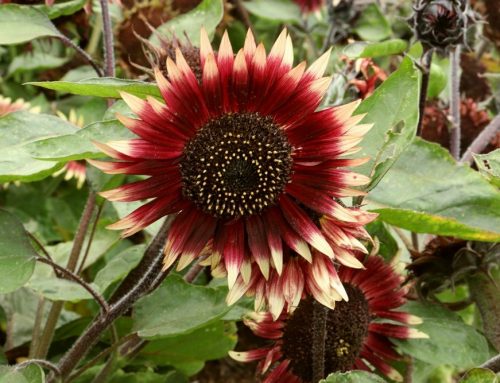
Less is more with houseplants at this time of year! Love that sweet, warm picture of the AV!
What’s your take on the tip to place houseplants on a tray with gravel and water to help give them humidity?
Writegardener, I think anything that puts water into the air is probably going to help.
And reason #6…over fertilization. I see too many people try to breath new life into a dying houseplant this way. Rather than back off on the blue juice to a level more suitable for indoor plants, and treat the real problems, they give concentrated doses instead. That’s like asking someone who has the flu to run a marathon.
It also helps to water thoroughly when you do water, not just splash a little water on the top of the soil. Water should drain out the bottom. And if there are no drainage holes in the bottom of the container… put the plant in something else.
The houseplants look pathetic. I was hoping to find some inspirational Thanksgiving garden history stories about growing food. Gotta rant about not one mention of Thanksgiving.
Eliz, you may be getting mixed reviews, but it was nice to see these posts from you on houseplants. Mine spend the summmer on my screened porch, and even though I’ve had most of them for years, I sorta forget how to take care of them once I bring them in. They come inside while I’m mourning the loss or impending loss of my kitchen garden (and summer) and trying to get ready for the holidays, so I sometimes neglect them. It was good to be reminded of their care needs and to see a couple of star performers I might consider.
Is Old Kim joing to fight the revolutionaries with me?
They could have shown or written about a Turkey Fig.
The (off with their wine glasses)
TROLL
I’m a habitual over-waterer – my own solution to that impulse is NOT to have houseplants that like it dry between waterings – if you love wet feet, come on in – if not, see ya!
Speaking of drainage – I just assisted the yoga studio I study at by repotting some massively potbound hanging spider plants. One I unpotted was a nightmare – NO drainage holes – and this plant survived for years that way – just shows you how truly hardy they are and benign neglect is often better than habitual doting.
In my house it’s the cat! He destroys flower arrangements and just about every houseplant I bring indoors: http://www.gardenhelp.org/trees/bonsai/bad-kitty-eats-tree/
I’m a chronic underwaterer. I should take heed of the tip to set a watering day. I tend to forget about the houseplants.